What Is Subsidence?
Learn what subsidence is, what causes it, how to spot the warning signs, repair structural movement, and sell a house with subsidence in this complete 2026 homeowner guide.
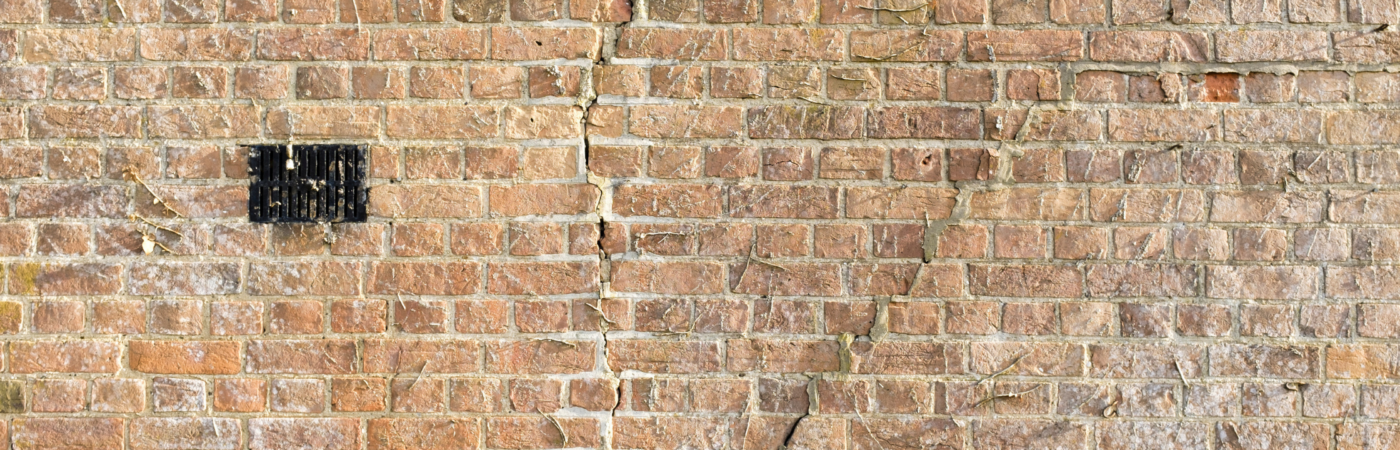
Subsidence is one of the most serious structural problems a property can face, and for many homeowners, discovering signs of subsidence can be incredibly worrying. Whether you are living in a property affected by subsidence, thinking about buying a home with structural movement, or trying to sell a property with subsidence issues, understanding the problem is essential.
In simple terms, subsidence occurs when the ground beneath a property begins to sink, causing the building’s foundations to move unevenly. As the foundations shift, parts of the property can become unstable, leading to cracks, sloping floors, sticking doors, and other structural issues.
While subsidence is often associated with older properties, it can affect homes of all ages and types. In 2026, changing weather patterns, prolonged dry periods, clay soil movement, and ageing infrastructure continue to contribute to subsidence problems across the UK.
Although subsidence can sound alarming, it does not always mean a property is unsafe or unsellable. In many cases, the issue can be identified early and repaired successfully. However, ignoring the signs can lead to much larger structural problems and costly repairs later.
This complete guide explains what subsidence is, what causes it, how to spot the warning signs, how to repair it, and whether you can still sell a house affected by subsidence.
What is subsidence?
Subsidence is the downward movement or sinking of the ground supporting a building’s foundations. This movement causes the foundations to become unstable, which can then lead to structural movement within the property itself.
Unlike normal settling, which commonly occurs naturally in buildings over time, subsidence involves more significant ground movement that can damage the structure of a home.
Subsidence usually affects only one part of a property rather than the entire building evenly. As a result, stress is placed on walls, floors, ceilings, doors, and windows, often leading to visible cracking and distortion.
The severity of subsidence can vary significantly. Some cases are relatively minor and easy to repair, while others may require extensive structural work.
What causes subsidence?
There are several different causes of subsidence, and identifying the exact cause is one of the most important steps in resolving the problem.
In many cases, subsidence occurs because the soil beneath the property changes shape or loses stability.
Shrinking soil beneath the property
One of the most common causes of subsidence in the UK is shrinking soil, particularly clay soil.
Clay soils naturally expand when wet and shrink when dry. During prolonged dry weather, the moisture within the soil reduces, causing it to contract. This shrinkage can create movement beneath a property’s foundations.
As climate conditions continue to fluctuate in 2026, long periods of hot, dry weather followed by heavy rainfall are increasing the risk of soil movement in many areas.
Tree roots and vegetation
Large trees and shrubs can contribute significantly to subsidence problems.
Tree roots absorb large amounts of water from the soil, particularly during dry periods. If trees are located too close to a property, the surrounding soil may shrink excessively, increasing the risk of foundation movement.
Species such as willow, oak, poplar, and sycamore trees are particularly known for causing issues due to their extensive root systems and high water demand.
Vegetation can also physically disturb foundations over time as roots spread beneath the property.
Leaking drains and pipes
Damaged drains, leaking pipes, or faulty guttering can weaken the ground around a property’s foundations.
Escaping water may soften or wash away soil beneath the home, reducing the stability of the foundations and causing movement.
Drain-related subsidence is often easier to repair than more serious structural causes if identified early.
Previous mining activity
In some areas of the UK, historic mining activity can increase the risk of ground instability.
Old mine shafts, tunnels, or excavated land may collapse or shift over time, leading to subsidence at the surface.
Properties built in former mining areas are often subject to additional searches during conveyancing because of this risk.
Ground vibrations
Frequent vibrations from nearby traffic, railways, or construction work can sometimes contribute to movement in already vulnerable ground conditions.
Although less common, ongoing vibration may gradually weaken soil stability around foundations.
Clay soils and changing weather conditions
Clay-heavy areas are particularly susceptible to subsidence because the soil reacts strongly to moisture changes.
Properties built on clay soil are often more vulnerable during periods of drought, especially when large trees are nearby.
In 2026, environmental changes and more extreme weather conditions continue to increase subsidence concerns in some parts of the UK.
What is heave?
Heave is effectively the opposite of subsidence.
Instead of the ground sinking, the ground beneath the property moves upwards, pushing the foundations higher.
This often happens when trees are removed from clay soil areas. Without the tree roots absorbing moisture, the soil expands and swells, causing upward movement.
Although less common than subsidence, heave can still cause serious structural damage.
What is landslip?
Landslip occurs when ground moves down a slope or incline.
This type of movement is more common in hilly or coastal areas where unstable ground conditions exist.
Heavy rainfall, erosion, or weakened soil can all contribute to landslips.
How do I spot subsidence?
Spotting subsidence early is extremely important because early intervention can help reduce repair costs and prevent more serious structural damage.
While not all cracks mean a property has subsidence, certain warning signs should never be ignored.
Cracks in walls
One of the most recognisable signs of subsidence is cracking.
Subsidence cracks are usually:
- Wider than 3mm
- Diagonal rather than vertical
- Wider at the top than the bottom
- Visible both internally and externally
- Found around doors and windows
Cracks caused by normal settlement are usually much smaller and less severe.
Doors and windows sticking
As the structure of the property shifts, door and window frames may become distorted.
This can make doors and windows difficult to open or close properly.
In some cases, frames may visibly warp or become misaligned.
Wallpaper crinkling
Wallpaper may begin to wrinkle or ripple, especially where walls meet ceilings.
This can happen because movement within the structure pulls surfaces apart unevenly.
Sloping floors
Subsidence can sometimes cause floors to slope or become uneven.
This movement may become noticeable when walking through the property or when furniture no longer sits level.
Cracks where extensions join the property
Different parts of a property may move at different rates.
Cracking where extensions connect to the original building can sometimes indicate structural movement beneath one section of the property.
External warning signs
Outside the property, you may also notice:
- Cracked brickwork
- Leaning walls
- Gaps around doors or windows
- Uneven patios or driveways
If multiple symptoms appear together, professional investigation is strongly recommended.
Does every crack mean subsidence?
No. Many properties naturally develop small cracks over time.
Minor cracking can happen because of:
- Temperature changes
- Normal settling
- Plaster shrinkage
- Seasonal movement
Older homes especially may develop cosmetic cracks that are not structurally serious.
However, larger or worsening cracks should always be assessed by a professional surveyor or structural engineer.
How is subsidence diagnosed?
If subsidence is suspected, professional investigation is usually required.
A surveyor or structural engineer will assess:
- Crack patterns
- Foundation movement
- Soil conditions
- Drainage systems
- Nearby vegetation
Additional investigations may include:
- Drain surveys
- Soil analysis
- Monitoring crack movement over time
Accurate diagnosis is essential because treatment depends heavily on identifying the underlying cause.
How can I prevent subsidence?
Although not all cases can be prevented, there are several steps homeowners can take to reduce the risk.
Maintain drains and guttering
Leaking pipes and damaged drainage systems should be repaired quickly.
Regular maintenance can help prevent water damage and soil instability around foundations.
Be careful where you plant trees
Large trees and shrubs should not be planted too close to properties.
Before planting, homeowners should consider:
- Root spread
- Water demand
- Soil type
- Distance from foundations
Avoid sudden tree removal
Removing mature trees too quickly can sometimes trigger heave.
Professional advice should be sought before removing large trees near affected properties.
Monitor cracks early
Small cracks should be monitored rather than ignored.
Tracking changes over time can help identify developing problems before they worsen significantly.
Keep soil moisture levels stable
In clay soil areas, maintaining more consistent soil moisture around foundations may help reduce movement during dry periods.
How do you fix subsidence?
The correct repair depends on the underlying cause and severity of the movement.
In some cases, relatively simple repairs are enough. In others, more extensive structural work may be required.
Tree management
If trees are contributing to soil shrinkage, pruning or removal may help stabilise the ground.
However, tree removal must be managed carefully to avoid causing heave.
Drain repairs
If leaking drains or pipes are responsible, repairing the drainage system may resolve the issue.
Modern CCTV drain surveys are often used to identify hidden damage underground.
Structural repairs
Cracks and damaged brickwork may require repairs once movement has stabilised.
This may include:
- Repointing
- Brick replacement
- Plaster repairs
- Structural reinforcement
Underpinning
Underpinning is one of the best-known subsidence repair methods.
This involves strengthening and stabilising the foundations by extending them deeper into stable ground.
Underpinning can be expensive, but it may permanently resolve serious foundation movement.
Not every subsidence case requires underpinning. In fact, many properties can be repaired successfully without such extensive work.
How much does subsidence repair cost?
Repair costs vary significantly depending on:
- The cause
- Severity
- Property size
- Required repairs
Minor repairs may cost a few thousand pounds, while severe structural work and underpinning can cost tens of thousands.
Because of these potential costs, subsidence can understandably worry homeowners and buyers alike.
Does subsidence affect house insurance?
Yes. Subsidence usually affects both insurance availability and premiums.
Most standard buildings insurance policies cover subsidence, but claims can be complex and expensive.
If a property has a history of subsidence, insurers may:
- Increase premiums
- Apply higher excess charges
- Restrict cover options
Homeowners selling a property with subsidence should also expect buyers to ask detailed questions about insurance history and previous claims.
Can I sell a house with subsidence?
Yes, but selling a property with subsidence can be more challenging.
Many buyers become nervous when they hear the word “subsidence” because they worry about structural problems, repair costs, and mortgage complications.
As a result, homes with subsidence often attract:
- Lower offers
- Fewer buyers
- Longer selling times
Some mortgage lenders may also be cautious about approving mortgages on affected properties.
Does repaired subsidence still affect value?
Even if subsidence has already been repaired successfully, it may still affect buyer confidence.
Some buyers worry the issue could return in the future.
However, properties with documented repairs, guarantees, and structural reports are usually viewed far more positively than homes with unresolved movement.
How much value does subsidence reduce?
Properties affected by subsidence are often worth less than unaffected homes.
In some cases, homes may sell for around 80% of their normal market value, although the exact reduction depends on:
- Severity of the issue
- Whether repairs were completed
- Availability of guarantees
- Mortgage lender attitudes
- Local market conditions
Is selling to a cash buyer easier?
For homeowners struggling to sell a property with subsidence, cash-buying companies may provide an alternative solution.
Quick-sale companies are often more willing to purchase properties with structural issues because they are experienced with problem properties.
Selling to a cash buyer may help homeowners:
- Avoid long delays
- Reduce uncertainty
- Sell difficult properties faster
- Avoid mortgage-related complications
This can be especially useful if the property has already struggled to attract traditional buyers.
What is subsidence?
Subsidence is one of the most serious structural issues a homeowner can face, but understanding the causes, warning signs, and repair options can help make the situation far less overwhelming.
While subsidence can affect property values and make selling more difficult, many homes with structural movement are repaired successfully and continue to provide safe, stable living environments.
The most important thing is acting early. Identifying cracks, movement, or drainage problems quickly can help reduce long-term damage and repair costs. If you need to sell quickly, get a free cash offer from We Buy Any House.
If you are trying to sell a property with subsidence and struggling to find buyers, We Buy Any House may be able to help with a free no-obligation cash offer and flexible selling timescales.