Selling a House With Asbestos: The Complete UK Guide (2026)
Asbestos was commonly used in UK construction until its ban in 1999, which means many older properties may still contain it today.
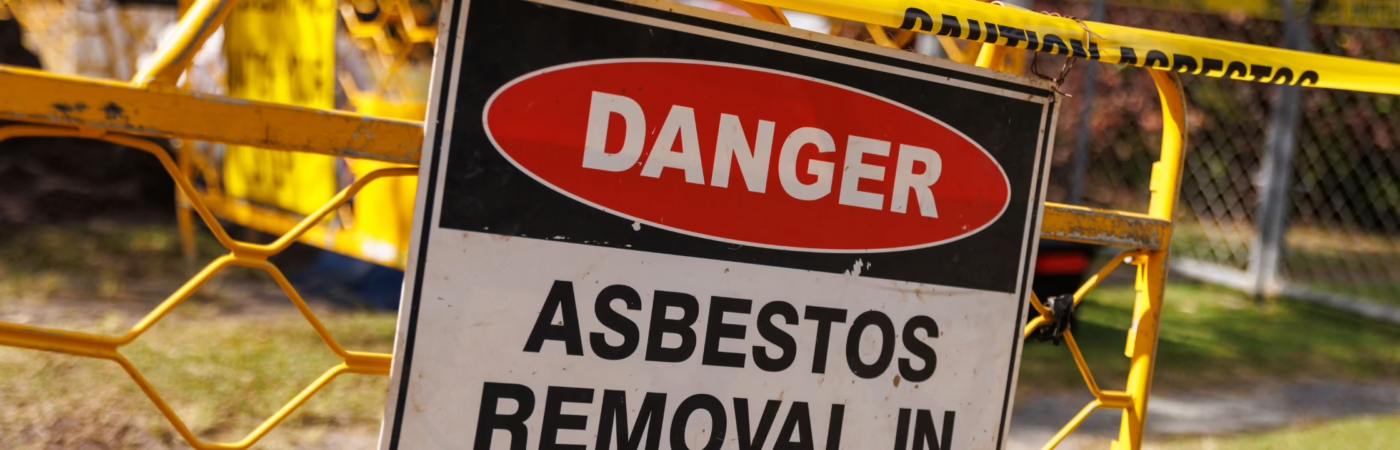
Yes, you can legally sell a house that contains asbestos. Asbestos is commonly found in properties built before it was banned in the UK in 1999, and its presence does not automatically make a property unsellable. However, if you know asbestos is present, you should disclose this during the selling process, understand how it may affect buyers and mortgages, and decide whether to sell the property as it is or remove the asbestos before marketing.
Why You Can Trust This Guide
At We Buy Any House, we’ve been helping homeowners across England and Wales since 2008. During that time, we’ve purchased properties in a wide variety of conditions, including homes requiring major renovation, properties with structural issues and houses containing asbestos.
We understand that discovering asbestos can be worrying, especially if you’re preparing to sell. Many homeowners assume that asbestos makes their property impossible to sell, but that’s rarely the case. The key is understanding your legal responsibilities, knowing your options and choosing the right selling strategy.
This guide combines our experience with current UK property guidance and industry best practice to help you understand how asbestos may affect your sale.
Every guide is:
- Reviewed by the We Buy Any House Property Team.
- Based on our experience helping homeowners since 2008.
- Prepared using current UK property guidance and publicly available information.
- Reviewed regularly to help ensure it remains accurate and up to date.
- Designed to provide general information rather than legal, financial or health and safety advice.
Published: July 2026
Last Reviewed: July 2026
If your home contains asbestos, you may be wondering whether you’ll struggle to find a buyer or whether you’re legally required to remove it before selling.
The good news is that many properties across the UK still contain asbestos-containing materials, particularly those built before 2000. In many cases, asbestos that remains in good condition and is left undisturbed presents little immediate risk.
What matters most is understanding where the asbestos is located, whether it’s in good condition and how it could affect potential buyers, mortgage lenders and property surveys.
Since 2008, our property specialists have spoken to many homeowners who believed asbestos meant they couldn’t sell their property. In reality, buyers purchase homes containing asbestos every day. The most successful sales usually come from sellers who understand their responsibilities, provide clear information and choose the most appropriate selling method.
In this guide, we’ll explain where asbestos is commonly found, your legal responsibilities when selling, how asbestos can affect property value and mortgages, and the different options available if you want to sell quickly.
Key Takeaways
- You can legally sell a property that contains asbestos.
- Many homes built before 2000 still contain asbestos-containing materials.
- Known asbestos should be disclosed during the conveyancing process.
- Not all asbestos needs to be removed before selling.
- The condition and location of the asbestos often have a greater impact than its presence alone.
- Cash buyers and property investors are often comfortable purchasing homes containing asbestos.
Who This Guide Is For
This guide is suitable if you:
- Have discovered asbestos in your property.
- Own an older house built before 2000.
- Have inherited a property containing asbestos.
- Are selling a buy-to-let property.
- Need to sell quickly.
- Want to understand your legal responsibilities before marketing your home.
What Is Asbestos?
Asbestos is a naturally occurring mineral that was widely used in UK construction throughout much of the twentieth century because of its strength, durability and resistance to heat.
It was commonly incorporated into building materials to improve insulation, fire resistance and soundproofing.
Although asbestos was banned from use in UK construction in 1999, many homes built before this date still contain asbestos-containing materials.
In most cases, asbestos is not dangerous if it remains in good condition and is left undisturbed. Problems arise when asbestos fibres become airborne through damage, drilling, sanding or deterioration. If these microscopic fibres are inhaled, they can cause serious health conditions, including:
- Asbestosis.
- Lung cancer.
- Mesothelioma.
- Other long-term respiratory diseases.
For this reason, any suspected asbestos should be treated carefully and, where necessary, assessed by an appropriately qualified professional.
Common Places Asbestos Is Found
Asbestos was used in hundreds of different building products, so its location varies depending on the age and construction of the property.
Some of the most common locations include:
| Location | Common in Older Properties? |
|---|---|
| Garage roofs | ✓ |
| Roof sheets and roof tiles | ✓ |
| Pipe insulation (lagging) | ✓ |
| Boiler cupboards | ✓ |
| Artex textured ceilings | ✓ |
| Vinyl floor tiles | ✓ |
| Soffits and fascias | ✓ |
| Guttering and downpipes | ✓ |
| Cement water tanks | ✓ |
| Wall panels and partition boards | ✓ |
Finding asbestos in one of these locations does not automatically mean the material is dangerous. Its condition and whether it is likely to be disturbed are often more important factors.
Is Asbestos Dangerous?
One of the biggest misconceptions is that all asbestos immediately presents a health risk.
In reality, asbestos-containing materials that remain sealed, undamaged and undisturbed generally pose a much lower risk than damaged materials releasing fibres into the air.
The level of risk depends on several factors, including:
- The type of asbestos present.
- Whether the material has been damaged.
- Its location within the property.
- The likelihood of it being disturbed during normal use or future building work.
If asbestos is suspected, avoid attempting to remove or disturb it yourself.
Expert Insight from the We Buy Any House Property Team
Since 2008, we’ve helped many homeowners sell properties containing asbestos. One of the biggest misconceptions we encounter is that asbestos automatically makes a house unsellable. In reality, many buyers understand that asbestos is common in older homes. The condition, location and management of the material are usually far more important than its mere presence.
Can You Legally Sell a House With Asbestos?
Yes.
There is no law preventing you from selling a property simply because it contains asbestos.
However, if you are aware that your property contains asbestos, you should answer property information forms honestly and disclose any known material information during the conveyancing process.
Being open with potential buyers helps avoid disputes later and allows purchasers to make informed decisions.
If you’re unsure whether asbestos is present, you may wish to arrange a professional asbestos survey before marketing your property. While this isn’t always a legal requirement, it can provide reassurance for both you and prospective buyers.
Your Legal Responsibilities
Selling a house with asbestos is usually less about removing the material and more about ensuring the correct information is provided.
As a seller, you should:
- Answer property information forms honestly.
- Disclose any known asbestos-containing materials.
- Provide copies of any asbestos surveys if available.
- Inform your solicitor of any relevant reports or documentation.
Attempting to hide known asbestos or providing misleading information could lead to legal disputes after completion.
Being transparent from the outset helps build buyer confidence and often makes the conveyancing process much smoother.
Should You Remove Asbestos Before Selling?
One of the first questions many homeowners ask is whether they should remove the asbestos before putting their property on the market.
The answer depends on several factors, including:
- The type of asbestos.
- Its condition.
- Where it is located.
- The likely buyer.
- Your budget and timescale.
In many cases, asbestos does not need to be removed before selling.
If asbestos-containing materials are in good condition and unlikely to be disturbed, they may simply be managed safely rather than removed.
However, if the asbestos has been damaged, is deteriorating or is likely to affect a buyer’s mortgage or survey, removal may be worth considering.
Benefits of Removing Asbestos
Removing asbestos before selling may:
- Increase buyer confidence.
- Reduce concerns raised during surveys.
- Improve mortgageability.
- Remove the need for future remediation.
- Potentially make the property easier to sell.
Things to Consider
Professional asbestos removal can be expensive.
You’ll also need to:
- Use licensed contractors where required.
- Arrange disposal in accordance with UK regulations.
- Allow additional time before marketing the property.
For some homeowners, the cost of removal outweighs any potential increase in value, particularly if selling to an investor or cash buyer who is happy to undertake the work themselves.
What We Commonly See
Since 2008, we’ve found that many homeowners assume they must remove all asbestos before selling. In practice, buyers are often more concerned about understanding the condition of the asbestos than simply knowing it exists. Clear documentation and honest disclosure frequently provide more reassurance than costly removal work that may not be necessary.
Types of Asbestos Surveys
If you’re unsure whether asbestos is present, a professional survey can provide valuable information.
There are two main types of asbestos survey used in the UK.
| Survey Type | Purpose | Typical Use |
|---|---|---|
| Management Survey | Identifies the presence and condition of asbestos-containing materials without significant disruption. | Suitable for occupied properties and routine management. |
| Refurbishment and Demolition Survey | Locates asbestos before major building work or demolition. This survey is intrusive and may involve opening walls, floors and ceilings. | Required before significant refurbishment or demolition work. |
A survey can help sellers:
- Understand where asbestos is located.
- Assess its condition.
- Provide information to potential buyers.
- Reduce uncertainty during the conveyancing process.
How Does Asbestos Affect Property Value?
Asbestos does not automatically reduce the value of a property.
Instead, buyers and surveyors usually assess the overall level of risk and the likely cost of managing or removing the material.
Factors that commonly influence value include:
The Condition of the Asbestos
Well-maintained asbestos that remains sealed and undisturbed generally has less impact than damaged materials requiring immediate attention.
The Location
Asbestos found in easily managed areas, such as garage roofs or cement gutters, may concern buyers less than asbestos insulation hidden within the property’s structure.
Removal Costs
If buyers believe asbestos removal will be necessary, they may reduce their offer to reflect those future costs.
Professional removal costs vary depending on the type, quantity and accessibility of the asbestos.
Buyer Confidence
Some buyers are familiar with asbestos in older properties and understand that it can often be managed safely.
Others may be less comfortable and decide not to proceed.
Providing survey reports and professional advice can often help reassure buyers.
Mortgage Lender Requirements
Some lenders or surveyors may request additional reports before approving mortgage finance.
If this causes delays, it may reduce the pool of potential buyers.
Can Buyers Get a Mortgage on a House With Asbestos?
Yes.
Many lenders are prepared to offer mortgages on properties containing asbestos.
However, their decision will usually depend on:
- The type of asbestos.
- Its condition.
- Where it is located.
- The surveyor’s recommendations.
- Whether removal work is required.
If asbestos is considered stable and well managed, lenders may have no concerns.
If it is damaged or presents a significant health risk, the lender may:
- Request further investigations.
- Require specialist reports.
- Ask for remedial works before releasing mortgage funds.
Providing prospective buyers with any existing asbestos surveys can help answer lender queries more quickly.
Your Selling Options
Once you’ve established your property’s asbestos situation, there are several possible ways to proceed.
The right choice depends on your budget, timescale and target buyer.
Option 1: Sell the Property As It Is
Many homeowners successfully sell properties containing asbestos without removing it.
This option is often suitable if:
- The asbestos is in good condition.
- Buyers have been fully informed.
- Appropriate documentation is available.
This approach avoids removal costs and may appeal to buyers planning future renovations.
Advantages
- No removal costs.
- Faster preparation for sale.
- Suitable for investors and experienced buyers.
Considerations
- Some buyers may negotiate a lower price.
- Mortgage lenders may request additional information.
Option 2: Remove the Asbestos Before Selling
If asbestos is damaged or likely to discourage buyers, professional removal may make the property more attractive.
Advantages
- Increased buyer confidence.
- Fewer concerns during surveys.
- Potentially wider buyer appeal.
Considerations
- Professional removal can be expensive.
- Additional time before marketing.
- Licensed contractors may be required.
Option 3: Sell to a Property Investor or Cash Buyer
Some homeowners decide that selling directly to an investor or professional cash buyer is the simplest solution.
Investors are often experienced in purchasing properties requiring improvement and may be comfortable managing asbestos after completion.
At We Buy Any House, we’ve purchased many properties containing asbestos, structural issues and other defects.
Because we buy directly, homeowners can often avoid lengthy negotiations over repair costs and uncertainty surrounding mortgage approvals.
Working With Estate Agents and Conveyancers
Choosing experienced property professionals can make selling an asbestos property much more straightforward.
A knowledgeable estate agent can:
- Recommend an appropriate marketing strategy.
- Explain the property accurately.
- Identify suitable buyers.
- Help manage buyer expectations.
Your conveyancer or solicitor will also help ensure that:
- Property information forms are completed accurately.
- Relevant reports are provided.
- Legal disclosure requirements are met.
- The conveyancing process progresses smoothly.
Good communication between all parties often reduces delays later in the transaction.
Is Selling a House With Asbestos the Right Option for You?
Every property and every homeowner’s circumstances are different.
For some sellers, obtaining an asbestos survey and marketing the property through an estate agent is the right approach. For others, particularly those working to a tight deadline or selling a property that requires significant work, an alternative selling method may be more suitable.
Before deciding how to proceed, consider:
- How quickly you need to sell.
- Whether the asbestos is damaged or undisturbed.
- Whether you’re prepared to pay for removal.
- The likely type of buyer.
- Whether your property requires additional repairs.
Expert Insight from the We Buy Any House Property Team
Since 2008, we’ve helped homeowners sell many properties containing asbestos. One of the biggest misconceptions we encounter is that asbestos automatically prevents a successful sale. In reality, many buyers understand that asbestos is common in older homes. Being honest about its presence, providing clear information and choosing the right selling strategy are often far more important than the asbestos itself.
Decision Guide
Use the following guide to help decide which route may be most suitable.
Do you know whether your property contains asbestos?
No
↓
Consider arranging a professional asbestos survey if you suspect it may be present.
Yes
↓
Is the asbestos in good condition?
Yes
↓
Selling the property without removing the asbestos may be an option, provided buyers are given appropriate information.
No
↓
Is the asbestos damaged or likely to be disturbed?
Yes
↓
Seek advice from a qualified asbestos professional to determine whether repair, encapsulation or removal is appropriate.
No
↓
Do you need to sell quickly?
Yes
↓
A professional cash house buyer may provide a faster and more straightforward solution.
No
↓
Marketing the property through an estate agent may help you reach the widest range of buyers.
Common Myths About Selling a House With Asbestos
Myth: “You can’t legally sell a house with asbestos.”
Reality: You can legally sell a property containing asbestos. Many older homes still contain asbestos-containing materials, and properties are bought and sold every day.
Myth: “All asbestos must be removed before selling.”
Reality: Not necessarily.
If asbestos remains in good condition and is unlikely to be disturbed, removal is not always required.
Myth: “No mortgage lender will lend on a house with asbestos.”
Reality: Many lenders will consider mortgage applications on properties containing asbestos, although they may request additional reports depending on the type and condition of the material.
Myth: “Every buyer will walk away.”
Reality: Some buyers may be cautious, but others, particularly investors and experienced renovators, understand that asbestos is common in older properties and can often be managed safely.
Myth: “I can remove asbestos myself.”
Reality: Asbestos should never be treated as a DIY project. Disturbing asbestos can release harmful fibres into the air, creating serious health risks. Always seek professional advice before attempting any work involving suspected asbestos.
Common Mistakes to Avoid
Many homeowners unintentionally make the selling process more difficult by:
- Trying to hide known asbestos from buyers.
- Assuming every asbestos product requires immediate removal.
- Attempting DIY removal.
- Not obtaining professional advice when they’re unsure.
- Failing to provide available survey reports.
- Overestimating the impact asbestos will have on the property’s value.
- Choosing contractors who are not appropriately qualified where specialist work is required.
- Delaying conversations with buyers until late in the conveyancing process.
Being transparent from the outset usually leads to a smoother sale.
Practical Checklist
Before putting your property on the market, work through this checklist:
✓ Confirm whether asbestos is known or suspected.
✓ Arrange a professional asbestos survey if appropriate.
✓ Gather any existing reports or documentation.
✓ Speak to your solicitor about disclosure requirements.
✓ Decide whether removal is necessary.
✓ Obtain quotations if considering removal.
✓ Compare selling through an estate agent, auction or a cash buyer.
✓ Be prepared to answer buyer questions honestly.
✓ Keep copies of all relevant paperwork.
Frequently Asked Questions
Can I legally sell a house with asbestos?
Yes.
There is no law preventing you from selling a property simply because it contains asbestos.
Do I have to remove asbestos before selling?
Not usually.
If asbestos is in good condition and unlikely to be disturbed, removal may not be necessary. Every property should be considered on its own merits.
Should I tell buyers about asbestos?
If you are aware that your property contains asbestos, you should answer property information forms honestly and disclose any known material information during the conveyancing process.
Will asbestos reduce my property’s value?
It can, but not always.
The impact depends on the type, location and condition of the asbestos, along with buyer demand and local market conditions.
Can buyers still get a mortgage?
Often, yes.
Many lenders will lend on properties containing asbestos, although they may request further information or specialist reports before approving the mortgage.
Should I get an asbestos survey?
If you’re unsure whether asbestos is present, or you want greater certainty before marketing your property, a professional survey can provide useful information for both you and potential buyers.
Is asbestos removal expensive?
Costs vary considerably depending on the amount, type and location of the asbestos, as well as the work required.
Obtaining quotations from qualified professionals is usually the best way to understand the likely cost.
Can cash buyers purchase houses containing asbestos?
Yes.
Many professional cash house buying companies regularly purchase properties containing asbestos, particularly where the material can be managed or removed after completion.
How We Buy Any House Can Help
At We Buy Any House, we’ve been helping homeowners across England and Wales since 2008.
We understand that selling a property containing asbestos can feel daunting, particularly if you’re concerned about delays, mortgage issues or buyers withdrawing.
We regularly purchase properties in a wide range of conditions, including homes with:
- Asbestos-containing materials.
- Structural issues.
- Damp and timber defects.
- Fire or flood damage.
- Unfinished renovations.
- Non-standard construction.
We offer:
- A free, no-obligation cash offer.
- No estate agent fees.
- Free legal fees.
- No property chain.
- No need to carry out repairs before selling.
- Completion in as little as three days, or on a timescale that suits you.
Our experienced property specialists will explain all of your selling options so you can decide what works best for your circumstances, with no obligation to proceed.
Final Thoughts
Finding asbestos in your property doesn’t mean you can’t sell it.
Thousands of homes across the UK still contain asbestos-containing materials, particularly those built before 2000, and many are bought and sold successfully every year.
The most important steps are understanding your property’s condition, being honest with potential buyers and choosing the selling method that best suits your circumstances.
Whether you decide to sell through an estate agent, remove the asbestos before marketing or sell directly to a professional cash buyer, careful planning and clear communication can help you achieve a smoother and more successful sale.
Important Information
This guide provides general information about selling residential property containing asbestos in England and Wales. It should not be considered legal, financial, medical or health and safety advice. If you suspect your property contains asbestos, you should seek advice from a suitably qualified asbestos surveyor or licensed specialist before disturbing any materials. Sellers should also obtain independent legal advice if they are unsure about their disclosure obligations during the conveyancing process.