How Selling a House Works

1st June 2023
12 mins
We Buy Any House

Selling a property is one of the biggest financial decisions most homeowners will ever make. While many people focus mainly on finding a buyer, selling a house involves several important stages, from preparing the property for the market to completing the legal transfer of ownership. In 2026, the UK housing market continues to evolve amid
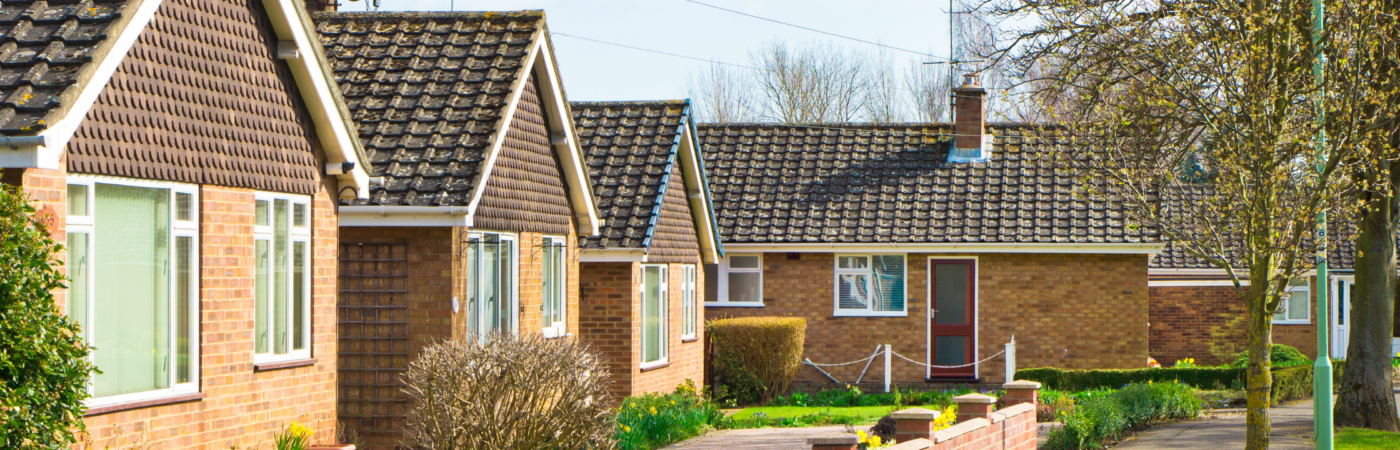
How Selling a House Works

Selling a property is one of the biggest financial decisions most homeowners will ever make. While many people focus mainly on finding a buyer, selling a house involves several important stages, from preparing the property for the market to completing the legal transfer of ownership.

In 2026, the UK housing market continues to evolve amid changing mortgage rates, affordability pressures, buyer expectations, and rising demand for energy-efficient homes. As a result, homeowners who want a smooth and successful sale need to understand the full process before putting their property on the market.

For many sellers, the process can initially feel overwhelming. Questions around property value, estate agents, advertising, viewings, negotiations, and conveyancing can create uncertainty, especially for first-time sellers. However, with the right preparation and knowledge, selling your home can become far less stressful.

Whether you are moving to a larger property, downsizing, relocating, selling an inherited home, or simply looking for a fresh start, understanding how selling a house works will help you make informed decisions throughout the process.

This complete 2026 guide explains every stage of selling a property, including how to prepare your home, decide how to sell, advertise effectively, handle viewings, and navigate the legal process.

Preparing your house before selling

One of the biggest mistakes homeowners make is rushing to list their property before properly preparing it for the market.

First impressions are incredibly important when selling a home. Buyers often make decisions within moments of viewing a property online or upon arriving for an in-person viewing. Taking time to improve the presentation of your property before listing it can help generate more interest, increase your chances of receiving offers, and even improve the final sale price.

Preparing your home properly does not always require expensive renovations. In many cases, small improvements can make a significant difference.

Why home improvements matter

Buyers are naturally drawn to properties that look well-maintained, clean, and move-in ready. Even relatively minor improvements can help create a more positive impression.

Making sensible updates before selling may help:

  • Increase your property value
  • Generate more buyer interest
  • Help your property stand out online
  • Encourage stronger offers
  • Reduce the time your property spends on the market

In 2026, buyers are particularly focused on properties that feel modern, energy efficient, and well cared for.

Focus on simple improvements first

You do not necessarily need to spend thousands of pounds renovating your home before selling.

Simple updates often provide the best return on investment.

Refreshing walls with neutral paint colours can instantly brighten rooms and help buyers imagine themselves living there. Decluttering is equally important, as overcrowded rooms can appear smaller and less inviting.

Deep cleaning throughout the property can also have a major impact. Kitchens and bathrooms, in particular, should look as clean and fresh as possible.

Small repairs should not be ignored either. Loose handles, cracked tiles, dripping taps, peeling paint, or damaged fencing may seem minor, but they can create the impression that the property has not been maintained properly.

Kerb appeal is more important than many sellers realise

The exterior of your property creates the first impression buyers will have before they even step inside.

Improving kerb appeal can increase interest immediately and encourage more viewings.

Simple ways to improve the exterior include:

  • Tidying the garden
  • Cleaning windows
  • Pressure washing driveways
  • Painting the front door
  • Replacing broken outdoor fixtures
  • Cutting hedges and grass

Properties that look attractive from the outside often create stronger emotional reactions from buyers before they enter the home.

Energy efficiency matters more in 2026

Modern buyers are increasingly aware of running costs and energy efficiency.

Properties with strong EPC ratings and energy-saving features are often more attractive because they can reduce monthly utility bills.

Simple improvements such as loft insulation, double glazing, efficient boilers, or LED lighting can help make your property more appealing to buyers concerned about rising energy costs.

Deciding how to sell your house

One of the most important decisions sellers face is choosing how they want to sell their property.

Traditionally, most homeowners sold through estate agents on the open market. While this remains the most common route, there are now several alternatives available depending on your priorities.

The right option for you will depend on factors such as:

  • How quickly you need to sell
  • Your financial situation
  • The condition of the property
  • Whether you want maximum value or maximum speed
  • Your tolerance for uncertainty and delays

Selling through an estate agent

Estate agents remain the most popular option for homeowners looking to achieve full market value.

An estate agent will usually:

  • Value your property
  • Market the home online
  • Arrange viewings
  • Negotiate offers
  • Help manage the sales process

Selling on the open market can help you achieve a higher sale price, particularly in areas with strong demand.

However, it is important to understand that estate agent sales can take a long time. In many cases, the process may take six months or longer from listing to completion.

There is also no guarantee the sale will complete successfully, especially if chains collapse or buyers experience mortgage problems.

Selling through a quick-sale company

Quick-sale companies have become increasingly popular in recent years, especially among homeowners who need speed and certainty.

These companies buy properties directly using cash funds, allowing them to complete sales much faster than traditional buyers.

Quick-sale companies are often used by homeowners who are:

The main advantage is speed. Some companies can complete purchases in as little as seven days.

However, sellers should understand that quick-sale companies generally purchase properties below full market value in exchange for convenience and certainty.

Selling at auction

Property auctions can also provide a faster route to selling.

Once contracts are exchanged at auction, buyers are legally committed to completing within a fixed timeframe.

Auctions can work particularly well for:

  • Renovation projects
  • Unusual properties
  • Investment properties
  • Homes with structural issues

However, auctions do carry some risks. Properties may sell below expectations or fail to meet reserve prices.

Before choosing any selling method, homeowners should carefully weigh up the advantages and disadvantages based on their own circumstances.

Understanding your property value

Pricing your property correctly is one of the most important aspects of selling successfully.

Many sellers naturally hope to achieve the highest possible price, but overpricing can often have the opposite effect and reduce buyer interest significantly.

In 2026, buyers have more access to property data than ever before. Most people spend time comparing homes online before booking viewings, so unrealistic asking prices are quickly noticed.

Why estate agents sometimes overvalue properties

Some estate agents deliberately suggest higher asking prices when trying to win your instruction.

They know sellers are often attracted to the agent who promises the highest valuation.

However, this can create problems later if the property struggles to attract interest.

Overpriced homes often:

  • Receive fewer viewings
  • Sit on the market longer
  • Become stale listings
  • Eventually require price reductions

When properties remain unsold for extended periods, buyers may assume something is wrong with them.

Researching the local market

Before deciding on a price, it is important to research comparable properties nearby.

Look at homes that are:

  • Similar in size
  • In similar condition
  • Located nearby
  • Recently sold rather than just listed

This can help you understand what buyers are realistically willing to pay.

Pricing a property correctly from the beginning is often one of the best ways to secure interest quickly and avoid long delays later.

Online property advertising

Online advertising is now one of the most important parts of selling a property.

Most buyers begin their search online using platforms such as Rightmove and Zoopla before arranging any viewings.

Because of this, your online listing creates the first impression buyers will have of your property.

Professional photography makes a huge difference

Property photographs can dramatically affect buyer interest.

Dark, blurry, cluttered, or poorly framed images can instantly discourage buyers from booking viewings.

Professional photography helps properties appear:

  • Brighter
  • Cleaner
  • More spacious
  • Better maintained

Before photographs are taken, homeowners should prepare the property carefully by decluttering and cleaning thoroughly.

Natural light also plays an important role. Bright rooms generally photograph far better than darker spaces.

Property descriptions matter too

Your listing description should highlight the property’s strongest features while remaining honest and clear.

Many buyers in 2026 are particularly interested in:

  • Energy efficiency
  • Home office space
  • Gardens
  • Parking
  • Transport links
  • School catchment areas

Focusing on these details can help attract more attention online.

Viewings and attracting buyers

Once your property generates interest online, buyers will usually arrange viewings before making an offer.

Viewings are your opportunity to help buyers emotionally connect with the property.

Presentation is key during viewings

A clean, organised, and welcoming home can significantly improve buyer impressions.

Before viewings:

  • Open curtains and blinds
  • Turn on lights if needed
  • Remove clutter
  • Eliminate strong smells
  • Tidy outdoor areas

Many buyers make emotional decisions, so creating a warm and inviting atmosphere can be very important.

Should you host viewings yourself?

Some homeowners prefer to conduct viewings personally, while others leave them to estate agents.

There are advantages to both approaches.

Estate agents may feel more professional and objective, while homeowners can often answer detailed questions about the property and local area more personally.

Whichever option you choose, buyers should feel comfortable exploring the property without pressure.

Flexibility helps generate more viewings

Being flexible with viewing times can improve your chances of finding a buyer quickly.

Limiting appointments too heavily may reduce opportunities, especially for buyers who work full-time or travel long distances.

Evening and weekend viewings are often particularly important.

Receiving and negotiating offers

Once buyers become interested, they may submit offers through the estate agent.

Not every offer will match the asking price.

In many cases, negotiations take place before an agreement is reached.

Should you always accept the highest offer?

The highest offer is not always the best offer.

Sellers should also consider:

  • Whether the buyer has a mortgage agreed in principle
  • Whether they are chain-free
  • Their financial position
  • Their proposed timescales

A slightly lower offer from a reliable buyer may ultimately be safer than a higher offer from someone in a complicated chain.

What happens after accepting an offer?

Once an offer is accepted, the sale moves into the conveyancing stage.

This is where legal work begins and contracts are prepared.

At this stage, buyers may also arrange:

  • Mortgage valuations
  • Surveys
  • Searches

Unfortunately, sales can still fall through during conveyancing, which is why many sellers find this stage stressful.

Understanding conveyancing

Conveyancing is the legal process of transferring property ownership from seller to buyer.

Both parties usually appoint solicitors or licensed conveyancers to handle the transaction.

What does conveyancing involve?

The process includes:

  • Drafting contracts
  • Conducting property searches
  • Checking legal ownership
  • Managing mortgage paperwork
  • Handling deposits
  • Exchanging contracts
  • Completing the sale

Conveyancing can sometimes feel slow because multiple parties are involved, including:

  • Solicitors
  • Mortgage lenders
  • Estate agents
  • Surveyors
  • Local authorities

How long does conveyancing take?

In 2026, conveyancing often takes between 8 and 20 weeks depending on the complexity of the transaction.

Common causes of delays include:

  • Property chains
  • Mortgage approval delays
  • Legal issues
  • Slow searches
  • Survey problems

While delays can be frustrating, they are often a normal part of the process.

Exchanging contracts and completion

Once all legal work is finished, contracts are exchanged.

At this point, the transaction becomes legally binding.

The completion date is then agreed, and ownership officially transfers to the buyer on that date.

The seller receives the sale proceeds, and the buyer receives the keys to the property.

How can I sell my house faster?

Many homeowners want to avoid the long delays associated with traditional property sales.

If speed is your priority, there are several ways to improve your chances of selling faster.

Pricing the property realistically, improving presentation, and remaining flexible with viewings can all help generate stronger buyer interest.

However, if you need certainty and speed above all else, selling to a professional cash-buying company may be the best solution.

Companies such as We Buy Any House can purchase properties directly and complete sales in as little as seven days, helping homeowners avoid long chains, mortgage delays, and uncertain buyers.

Final thoughts on how selling a house works

Selling a house involves far more than simply listing a property online and waiting for offers.

From preparing your home and choosing the right selling method to handling negotiations and completing conveyancing, every stage of the process plays an important role in achieving a successful sale.

Understanding how the process works can help reduce stress, avoid unnecessary delays, and put you in a stronger position when dealing with buyers and estate agents.

Whether you choose to sell traditionally, through auction, or with a quick-sale company, being informed and prepared will always improve your experience.

For an alternative to the traditional process, see how We Buy Any House works, significantly fewer steps and no chain.

If you want to simplify the entire process, you can sell your house fast to We Buy Any House and skip most of these steps entirely.

If you are looking to sell quickly and avoid the uncertainty of the open market, We Buy Any House can provide a free no-obligation cash offer and help you complete your sale in as little as 7 days.