What Happens When a Property Chain Breaks?
A broken property chain can bring months of planning to an abrupt and costly halt, leaving buyers and sellers facing unexpected delays, wasted fees, and serious uncertainty about what happens next…
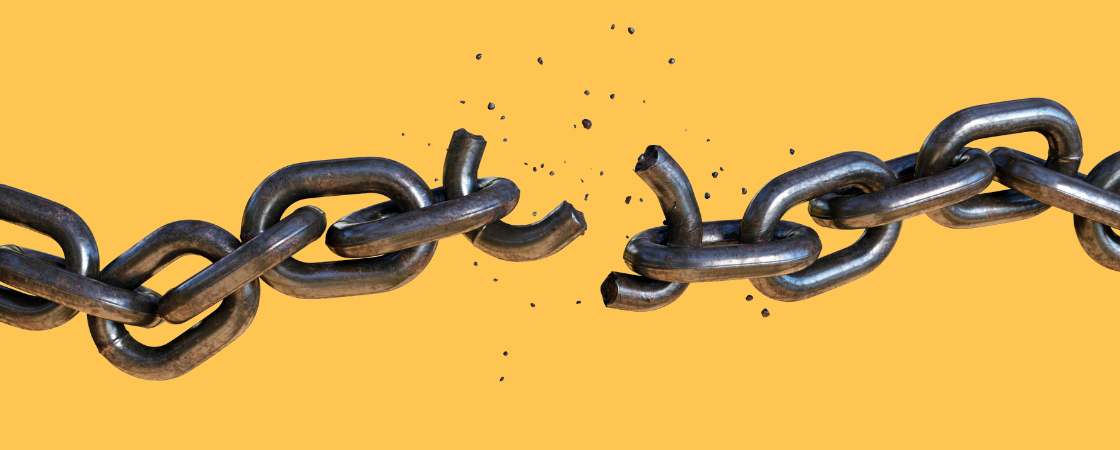
What Happens When a Property Chain Breaks?
Selling or buying a home in the UK should be an exciting milestone, yet many homeowners and buyers find themselves caught in a frustrating gamble where one weak link, a single broken sale, can bring an entire property transaction chain to an abrupt and costly halt.
In this comprehensive guide, we’ll unpack what a property chain is, explain why property chain breaks happen with stunning regularity in 2026, and outline exactly what you can expect if your home sale or purchase suddenly unravels.
We’ll also look at real data on the financial and time costs of these breakdowns and give you practical steps to protect yourself, including why a chain-free sale with We Buy Any House might be the fastest, surest way forward.
What is a Property Chain?
At its core, a property chain is a sequence of linked property sales in which each transaction depends on the successful completion of the preceding one, meaning every participant’s sale and purchase is intertwined.
Typically, a chain begins with a first-time buyer (who doesn’t have a property to sell) and ends with someone who isn’t buying another home, such as a downsizer, cash buyer, or investor; in between, other homeowners sell one property to fund their next purchase.
In the UK market of 2026, many property chains span three to four properties on average, and often take four to six months to complete, though more complex chains can take longer.
Chains Happen More Often Than You Think
Recent data from Barclays Property Insights shows that about 32% of UK adults who bought or sold property in the last three years were part of a chained sale, and nearly half of those experienced delays or transaction breakdowns attributable to chain issues.
This means that chain breaks, where one party pulls out, experiences financial problems or suffers survey issues, are not rare exceptions but documented everyday occurrences for many homeowners and buyers navigating the market in and beyond 2026.
Why Property Chains Break
Financing and Mortgage Problems
Arguably, the most common reason a chain collapses is when a buyer’s mortgage approval is delayed, downgraded, or pulled entirely at the last minute, leaving them suddenly unable to fulfil their purchase obligations.
In 2026, with continued pressure on lending criteria, smaller margins between asking price and loan-to-value limits, and heightened caution from lenders following market volatility, many buyers find their mortgage offers withdrawn even after initial acceptance, triggering chain breaks.
This can happen for many reasons:
- Lender reassessment of income or credit risk
- A property valuation that comes in lower than expected
- New tighter underwriting rules issued mid-process
Because other buyers down the chain depend on that sale to fund their next purchase, this single failure can stall or collapse the entire series of transactions.
Survey and Valuation Issues
Property surveys are an essential part of the homebuying process, designed to give buyers peace of mind that the property they’re purchasing has no hidden defects, but in many cases, surveys can identify serious structural, damp, roofing, or subsidence issues that prompt buyers to re-negotiate or withdraw entirely.
When a buyer pulls out because of survey results, the chain immediately becomes unstable, affecting sellers and buyers alike.
Changes in Personal Circumstances
Because transactions in a chain depend on people as well as paperwork, major life events, such as job loss, illness, bereavement, or family breakdown, can force a buyer or seller to pause or abandon their plans, even late in the process.
This human element means that no system, no matter how well-structured, can fully guarantee that a property chain will succeed.
Delays in Conveyancing and Searches
The UK homebuying process remains relatively slow, largely paper-based, and reliant on manual exchange of critical documents. A 2025 Santander report found that tens of thousands of transactions fail annually because of process inefficiencies and because the system’s structure significantly amplifies the risk of chain collapse.
With official guidance still rooted in laws dating back to 1925 and average conveyancing times stretching beyond 100 days, there’s simply more time for something to go wrong before contracts are exchanged.
What Happens When a Property Chain Breaks?
When a property chain breaks, the consequences are felt immediately and can be both financially and emotionally disruptive:
Financial Impact
Even before a chain breaks, many buyers and sellers have incurred costs, including:
- Survey fees
- Mortgage valuation fees
- Legal searches and conveyancing fees
- Removal deposits
- Temporary housing costs or storage fees
These are almost always non-refundable, meaning they’re lost if the sale doesn’t complete.
According to recent reports, when a chain breakdown occurs, affected homeowners often spend an average of £2,100 more than anticipated on additional expenses, largely due to wasted surveys and increased legal costs.
In a broader economic context, failed property transactions cost the UK economy up to £1.5 billion annually, as buyers and sellers waste time and money on deals that never complete.
Time Delays and Restart Costs
A broken chain can set back your entire moving schedule by several weeks or even months, because every link in the chain must regroup and potentially find new buyers, new mortgage approvals, and new valuations before progressing.
As a result of this compounded delay, many people end up restarting their property sale from scratch, meaning:
- Relisting the property
- Rebooked surveys
- Fresh legal searches
- New mortgage approvals
All of these prolong stress, increase cost, and drain energy.
Emotional and Practical Stress
It’s not only the money and time that matters, the emotional toll of a broken property chain can also be significant. Research highlights that people:
- Postpone moves indefinitely
- Delay buying forever homes
- Change their buyer preferences permanently
- Become more cautious about entering future chains
When you’ve invested hope, planning, and emotional energy into your next chapter, a collapse can feel like a complete reset.
What Happens Next If Your Property Chain Breaks?
If a link in your chain breaks before contracts are exchanged:
- All linked transactions typically grind to a halt.
- Buyers may lose mortgage offers already in place.
- Sellers might need to relist their property.
- Individuals might lose deposits paid on surveys or bookings.
- You could be left with extra costs for temporary accommodation or storage.
Without legal obligation until exchange, most parties can withdraw without penalty, meaning buyers and sellers can change their minds at almost any time before the contracts are exchanged.
Consider Faster, Chain-Free Options
Mainstream chains are inherently delicate because each transaction depends on the others completing on time.
If you’ve already gone through the disruption of a chain break, one of the best ways to prevent a repeat is to sell your property chain-free. This is where We Buy Any House is particularly useful: by buying your house directly, we remove the risk of further chain collapses, provide a speedy, guaranteed sale, and let you move on with confidence.
We Buy Any House offers a fast, no-obligation cash offer and avoids the uncertainty of fragile property chains.
There’s no sugar-coating it: property chains in the UK are fragile, complex, and laden with risks, and millions of buyers and sellers experience broken chains every year.
If your property chain breaks or you want certainty in your sale, reach out to We Buy Any House now and get your quick, guaranteed offer, leaving the stress of property chain breaks behind you.