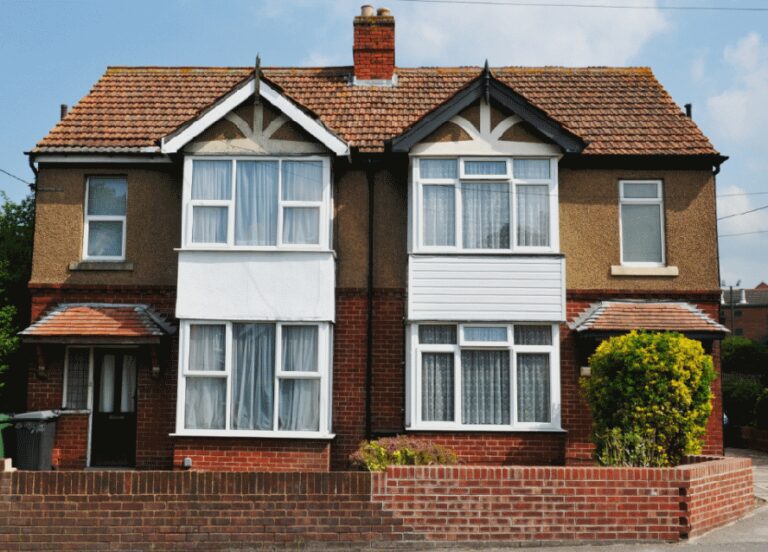
Selling a House After Divorce
Divorce is one of the most common reasons people come to us, and one of the hardest.
When a relationship breaks down, selling the family home often feels like the final chapter in something painful, made harder by the pressure to reach agreements with someone you may no longer be communicating with easily.
We’ve helped thousands of people sell their home during or after a divorce. Not because we’re the right choice for every situation, but because for sellers who need certainty over process, a guaranteed sale date and no estate agent involvement, we remove most of what makes the conventional route so stressful.
This page explains your options when selling a house as part of a divorce, what We Buy Any House can offer, and when our approach makes the most sense for your situation.

Sell your house fast due to a divorce
When selling a property as part of a divorce, you typically have three routes:
Sell through an estate agent. Takes 3–6 months on average. Achieves the full market price, but requires both parties to agree on the agent, the asking price, viewings, offers and the final sale, every stage requires joint sign-off. If the relationship is contentious, each of these points becomes a potential dispute.
Sell to a cash buyer (like We Buy Any House) Faster and simpler. We make a cash offer within 15 minutes, and completion can happen in as little as 3 working days. Both parties receive their agreed share of the equity quickly, without months of joint decision-making. There are no viewings, no estate agent, and no risk of a buyer pulling out after a survey. We cover all legal fees.
One partner buys the other out One person takes on the mortgage in their sole name and pays the other their share of the equity. This avoids the sale entirely but requires the remaining party to pass mortgage affordability checks on a single income, which isn’t always possible. Which option depends on: how quickly you both need to resolve things, whether you can agree on decisions jointly, and whether one party wants to stay in the property long-term.
If you feel like you’re ready to get started with the quick house sale process, please contact our helpful team today.
Frequently asked questions on selling a house after divorce
Going through a divorce can be a really difficult time, especially if things didn’t end amicably.
To give you the best advice possible to move forward, our property specialists have answered your most frequently asked questions.
What if my ex won’t agree to sell the house?
This is one of the most common situations divorce sellers face, and it’s worth understanding your options clearly.
If both of your names are on the title deeds, neither of you can sell without the other’s agreement, or a court order.
Your options if your ex refuses:
- Mediation: a neutral third party helps you reach agreement. Courts now expect this to have been attempted before they hear property disputes
- Order for Sale (TOLATA): you can apply to the County Court for an Order for Sale under the Trusts of Land and Appointment of Trustees Act 1996. If granted, this compels the sale regardless of your ex’s objection. The process typically takes 6–18 months and involves legal costs.
- Financial Order (Family Court): as part of your divorce financial proceedings, the Family Court can order the property to be sold as part of the overall settlement.
We can work with your solicitor once a court order is in place, completing the sale quickly once the legal authority to proceed exists. If you’re at an earlier stage and both parties are willing, we can often complete before your divorce is finalised.
How does the quick house sale process work?
If you’re selling a house after divorce, you’ll likely want to make the process as easy as possible. Luckily, at We Buy Any House, it’s effortless to sell your home, allowing you to move on within a matter of days.
Selling your home quickly is as simple as it sounds, as it excludes most of the hassle normally associated with a conventional house sale. Whilst we understand that every situation is different, most scenarios take the following steps:

Do I pay Capital Gains Tax when selling in a divorce?
If the property you’re selling is your main home and you’ve both lived there, Private Residence Relief (PRR) typically means no Capital Gains Tax (CGT) to pay on the sale itself.
If you’ve already moved out and the property has continued to be your ex-partner’s main home, you may still qualify for PRR, but the rules are more nuanced and depend on timing.
Since April 2023, separating couples have up to three years from the end of the tax year of separation to transfer assets between each other without triggering CGT.
If you’re approaching or past that window, getting tax advice before proceeding is worth doing.
CGT is calculated differently if the property is an investment property or buy-to-let that formed part of the divorce settlement, in those cases it almost certainly applies.
We can buy your house from you in as little as three days, although we can aim for different time scales if needed.
If you have a specific time scale in mind and you’d like to speak to a member of our team, please complete our simple online form.

Make a fresh start with We Buy Any House
If you want to sell a house after divorce, you’ve come to the right place. The breakdown of a relationship is never easy, and having to deal with a house sale can make the process much harder.
This is where We Buy Any House comes in. Instead of having to go through a lengthy sales process through your estate agent, you can sell your home to us in as little as three days.
As one of the UK’s most trusted property buying companies, we can help you through the entire process, treating you with respect throughout every step of the journey.
With no estate agents, property viewings or third parties to deal with, selling a house after divorce can be made effortless.
Once sold, you can move on and focus on other, more important aspects of your divorce negotiations.
If you’d like to get started, or you’d like to find out a little more about how the quick house sales process works after divorce, please get in touch with our expert team here.
Frequently asked questions on selling a house after divorce
Going through a divorce can be a really difficult time, especially if things didn’t end amicably.
To give you the best advice possible to move forward with your life, our property specialists have answered your most important questions.
If you feel like you need more information, please head to our dedicated FAQs page.
In many cases, you won’t pay Capital Gains Tax (CGT) if you’re selling your main home, as it is usually covered by Private Residence Relief. However, if the property is no longer your main residence, is a second home, or the transfer takes place after certain time limits following separation, Capital Gains Tax may apply.
Recent changes to UK tax rules have made it easier for separating couples by extending the period during which transfers between spouses or civil partners can be made without triggering an immediate Capital Gains Tax liability.
As every situation is different, it’s always worth seeking advice from a qualified tax adviser or solicitor before selling.
Yes. You do not have to wait until your divorce is legally finalised to sell your property. Many couples choose to sell during the divorce process so that the proceeds can be divided as part of the financial settlement.
If both parties are named on the property’s title deeds, you’ll usually need both owners’ agreement before the sale can proceed.
If you both legally own the property, both parties will normally need to agree to the sale and sign the required legal documents. If one person refuses to sell, the matter may need to be resolved through mediation or by the courts.
If you’re unsure of your legal position, it’s best to speak with a family law solicitor.
The proceeds aren’t automatically split 50/50. The division depends on your individual circumstances and any financial agreement or court order in place. Factors such as children, income, assets, pensions and future financial needs may all be taken into account.
In some circumstances, you may be able to sell or transfer your share of a property. However, this depends on the ownership structure and whether the other owner agrees. It’s important to obtain legal advice before taking any action.
Traditional property sales can take several months and may fall through. If you’re looking for a faster sale, We Buy Any House can often provide a cash offer within 24 hours, helping to reduce uncertainty during an already stressful time.
While we can’t provide legal advice, we can help simplify the property sale. By removing property chains, avoiding estate agent fees and working to your preferred timescale, we aim to make the selling process as straightforward and stress-free as possible.
In most cases, yes. You’ll usually remain in your home until completion, with an agreed moving date confirmed as part of the sale process.
Yes. A solicitor or licensed conveyancer will handle the legal aspects of the property sale. If you’re going through a divorce, you may also wish to seek advice from a family law solicitor regarding your financial settlement and legal rights.
Yes. We regularly help homeowners who are selling due to divorce or separation. Whether you’re at the beginning of the process or have already agreed a financial settlement, our team can work with you to provide a fast, hassle-free sale on a timescale that suits both parties.