Should I add a sensory room to my house?
A sensory room is a calming multi-sensory space designed to support relaxation, focus, and sensory development. Discover the benefits of sensory rooms, what to include, and how to create one at home in 2026.

What Is a Sensory Room? Benefits, Ideas & How to Create One in 2026
What Is a Sensory Room?
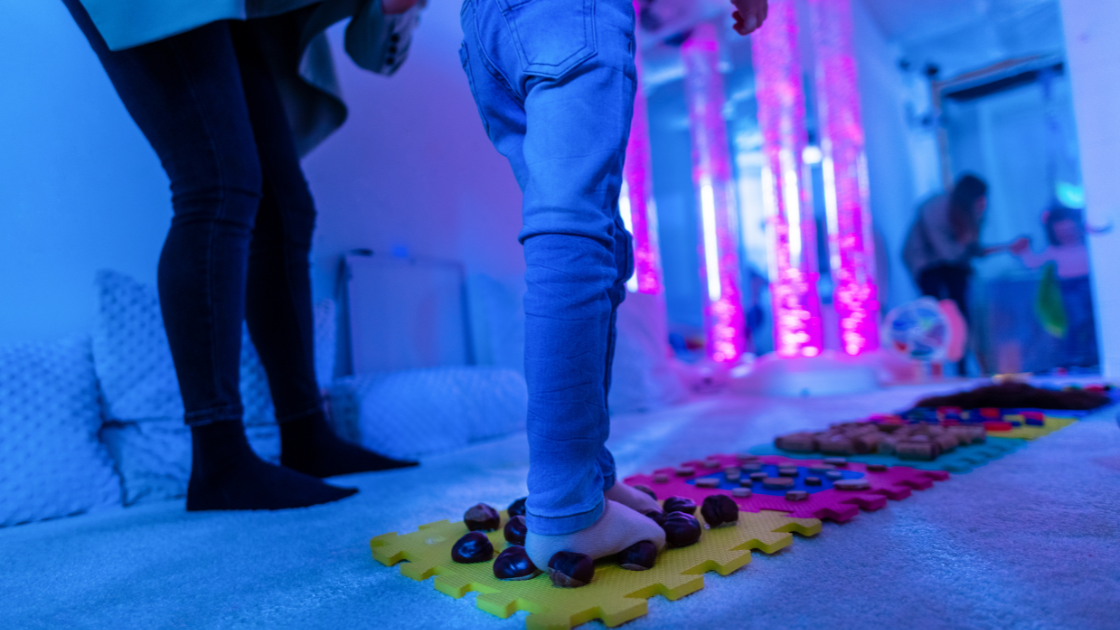
A sensory room, also known as a multi-sensory environment, is a dedicated space designed to stimulate or soothe the senses using lighting, textures, sounds, colours, and interactive equipment.
These rooms can be adapted to suit individual needs, whether the goal is:
- Relaxation and emotional regulation
- Sensory stimulation
- Improved focus and concentration
- Motor skill development
- Stress relief
- Communication support
Sensory rooms often include:
- Soft lighting
- Fibre optic lights
- Bubble tubes
- Weighted blankets
- Calming music
- Aromatherapy
- Sensory toys
- Interactive wall panels
- Soft furnishings and textures
The environment is carefully designed to create a positive sensory experience that feels safe, calming, and engaging.
The History of Sensory Rooms
Sensory rooms originated in the Netherlands during the 1970s, developed by Dutch therapists Ad Verheul and Jan Hulsegge. They created a therapeutic concept called “Snoezelen,” combining the Dutch words for “sniffing” and “dozing.”
Their aim was to create a calming, non-threatening environment for people with learning disabilities and sensory difficulties.
The results were remarkable. Patients using multi-sensory environments often experienced:
- Reduced anxiety
- Better sleep
- Improved communication
- Increased relaxation
- Enhanced memory and engagement
Over time, sensory rooms spread across Europe and are now widely used in:
- Homes
- Schools
- Nurseries
- Care homes
- Hospitals
- Therapy clinics
Today, sensory rooms are considered an important therapeutic tool for supporting wellbeing and emotional development.
3 Key Benefits of a Sensory Room
Sensory rooms provide a wide range of emotional, physical, and cognitive benefits. While every individual is different, there are several major advantages that make sensory spaces so effective.
Supports Sensory and Motor Development
Sensory and motor skills begin developing from birth and continue throughout life.
Children and adults learn about the world through:
- Sight
- Sound
- Touch
- Smell
- Taste
- Movement
- Body awareness
For individuals with sensory processing difficulties, everyday environments can sometimes feel overwhelming or difficult to interpret.
A sensory room provides a controlled space where people can safely explore different sensations without pressure or overstimulation.
Popular Sensory Development Features
Examples include:
- Ball pits
- Sensory wall panels
- LED lights
- Fibre optic lighting
- Soft play equipment
- Textured mats
- Sensory sand trays
- Interactive projectors
These activities help strengthen neural pathways, improve coordination, and encourage sensory exploration in a calm and supportive environment.
Creates a Calming and Safe Space
One of the biggest benefits of a sensory room is emotional regulation.
Many people with autism, ADHD, anxiety, or sensory sensitivities can become overwhelmed by:
- Loud noises
- Bright lights
- Busy environments
- Unexpected changes
- Emotional stress
A sensory room can help reduce sensory overload by offering a quiet, predictable environment designed for relaxation.
Calming Sensory Room Ideas
To create a soothing atmosphere, many sensory rooms include:
- Dim lighting
- Aroma diffusers
- Soft cushions
- Weighted blankets
- White noise machines
- Gentle music
- Comfortable seating
These calming elements can help lower stress levels, reduce anxiety, and support emotional wellbeing.
Improves Focus and Concentration
Sensory rooms can also help improve attention spans and concentration.
For individuals who struggle with focus, sensory spaces can:
- Reduce distractions
- Improve self-regulation
- Increase environmental awareness
- Support learning and communication
This can be especially beneficial for children in educational settings or adults preparing for work and social environments.
Many schools now use sensory spaces to help pupils reset emotionally before returning to the classroom.
How to Design a Sensory Room at Home
Creating a sensory room at home doesn’t have to be expensive or complicated. The most important thing is designing the space around the individual’s specific needs.
What Should a Sensory Room Include?
Every sensory room is unique.
Before designing your space, ask:
- Does the person need calming or stimulation?
- What sensory triggers should be avoided?
- What textures, colours, or sounds are comforting?
- What activities help them relax or focus?
The room should feel safe, supportive, and free from overwhelming distractions.
Essential Sensory Room Features
Popular sensory room items in 2026 include:
- Bubble tubes
- LED strip lighting
- Sensory swings
- Crash mats
- Weighted blankets
- Noise-cancelling headphones
- Interactive projectors
- Smart lighting systems
- Soft bean bags
- Tactile wall panels
Technology is also becoming more common in modern sensory spaces, with app-controlled lighting and sound systems helping create personalised experiences.
Choosing the Right Location
A sensory room doesn’t need to be large.
It can be:
- A spare bedroom
- A quiet corner
- A converted loft
- Part of a playroom
- A small calming pod
Best Location Tips
Choose a space that is:
- Quiet
- Away from high-traffic areas
- Free from distractions
- Easy to supervise
- Comfortable and secure
Many experts recommend avoiding rooms with excessive natural light so lighting levels can be controlled more effectively.
How to Decorate a Sensory Room
When decorating a sensory room, less is often more.
Avoid clutter and focus on creating a peaceful environment with space to move comfortably.
Sensory Room Design Tips
- Use soft, calming colours
- Add comfortable seating
- Include different textures
- Keep storage organised
- Use adjustable lighting
- Create separate zones for calming and stimulation
The goal is to create an environment where the individual feels safe enough to relax, explore, and regulate their emotions.
Looking for More Space at Home?
As sensory rooms become more popular, many families are looking for larger properties with extra space to create dedicated wellness or therapy rooms.
If you’re planning a move and need to sell your house quickly, We Buy Any House can help.
We offer:
- Free cash offers
- No hidden fees
- Flexible completion dates
- Fast property sales
Get in touch with We Buy Any House today to learn more about selling your property quickly and stress-free.
A sensory room can have a hugely positive impact on emotional wellbeing, focus, relaxation, and sensory development.
Whether you’re creating a calming environment for a child with autism, a quiet wellness space for stress relief, or a therapeutic room for sensory processing support, the key is designing the space around the individual’s unique needs.
Even small changes can make a significant difference in creating a safe and supportive sensory environment at home.