Downsizing from a House to a Bungalow in 2026: A Complete Guide
Thinking of downsizing from a house to a bungalow in 2026? Discover the key benefits, financial considerations, and market trends shaping the move, plus expert advice on how to sell your current home quickly and secure your next property with confidence.
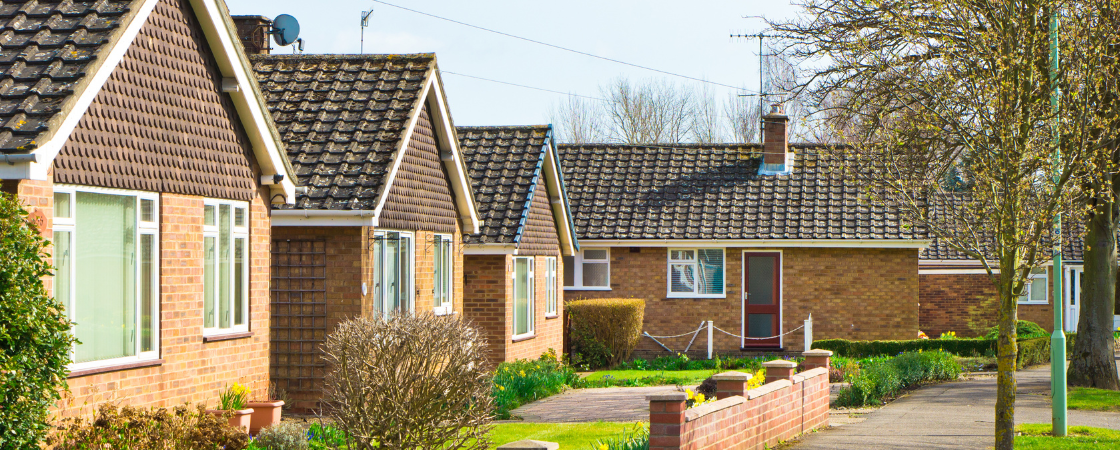
Downsizing from a house to a bungalow is becoming an increasingly popular move across the UK in 2026. Whether you’re approaching retirement, reducing household costs, or simply looking for a more manageable lifestyle, moving to a single-storey home can offer comfort, practicality and long-term peace of mind.
But while the benefits are clear, downsizing still requires careful planning, especially in today’s property market.
This guide explains the pros and cons, financial considerations, emotional factors, and how to sell your current home quickly if you’re ready to make the move.
Why More Homeowners Are Downsizing to Bungalows in 2026
Several trends are driving the demand for bungalows across the UK:
-
An ageing population seeking accessible homes
-
Rising energy costs are encouraging smaller, more efficient living spaces
-
Homeowners unlocking equity to boost retirement funds
-
A desire for simplified, low-maintenance living
-
Increased remote working allowing relocation to quieter areas
Bungalows remain in limited supply compared to traditional houses, which can make them highly desirable, and sometimes competitive to secure.
The Key Benefits of Moving to a Bungalow
1. Improved Accessibility
The most obvious advantage is single-level living. No stairs means:
-
Reduced fall risk
-
Easier mobility
-
Future-proofing for later life
-
More convenient day-to-day living
For many buyers in their 50s, 60s and beyond, this is a major long-term consideration.
2. Lower Maintenance
Bungalows often require:
-
Less exterior upkeep
-
Smaller gardens
-
Fewer rooms to heat and maintain
-
Reduced cleaning time
For those looking to enjoy retirement rather than manage a large property, this can be a significant lifestyle upgrade.
3. Potential Financial Release
Downsizing may allow you to:
-
Pay off remaining mortgage debt
-
Boost retirement savings
-
Help family members financially
-
Reduce monthly bills
However, whether you release equity depends on local market conditions and the type of bungalow you purchase.
Things to Consider Before Downsizing
Downsizing isn’t always straightforward. Here are key factors to think about:
1. Bungalows Can Be Expensive
Due to limited supply and high demand, bungalows can sometimes cost as much as — or more than — larger houses in the same area.
In popular coastal or retirement locations, competition can push prices up significantly.
2. Stamp Duty and Moving Costs
Even if you’re downsizing, you’ll still face:
-
Stamp Duty Land Tax (in England & Northern Ireland)
-
LBTT (in Scotland)
-
LTT (in Wales)
-
Solicitor fees
-
Survey costs
-
Removal expenses
Factor these into your financial planning.
3. Emotional Attachment
Leaving a long-term family home can be emotionally challenging. Downsizing often means:
-
Letting go of possessions
-
Leaving a familiar neighbourhood
-
Adjusting to a different lifestyle
Allow time to prepare both practically and emotionally.
4. Storage and Space
Moving from a multi-storey house to a bungalow typically means less space.
Before selling, consider:
-
What furniture will realistically fit?
-
Will you need storage?
-
Are there enough bedrooms for visiting family?
-
Is there adequate parking and outdoor space?
Is 2026 a Good Time to Downsize?
The right time to downsize depends on your personal circumstances, but there are several wider market factors in 2026 that make it an appealing option for many UK homeowners.
While property conditions always vary by region, current trends are shaping both buyer demand and seller opportunity.
Energy Efficiency Is a Major Buyer Priority
With energy prices still higher than pre-2022 levels and EPC ratings continuing to influence buyer decisions, energy efficiency remains front of mind in 2026.
Buyers are actively looking for:
-
Well-insulated homes
-
Modern boilers or heat pumps
-
Double or triple glazing
-
Strong EPC ratings (C or above where possible)
Larger, older homes with multiple reception rooms and unused bedrooms can be expensive to heat and maintain. If your property falls into this category, it may appeal to families who are prepared to invest in upgrades — while you transition into a smaller, more energy-efficient bungalow with lower monthly outgoings.
For downsizers, this can mean reduced heating bills, lower council tax bands (in some cases), and more predictable household costs.
Smaller Homes Are Increasingly Attractive
Affordability continues to shape the 2026 housing market. Many buyers are reassessing how much space they truly need, particularly with hybrid and remote working now established long term.
As a result:
-
First-time buyers are prioritising manageable homes.
-
Young families are upgrading from flats to houses.
-
Multi-generational living is influencing layout preferences.
If you’re selling a three- or four-bedroom house, you may find strong interest from growing families seeking more space — especially in commuter belts and suburban areas.
This demand can create favourable conditions for sellers looking to release equity and move into a more practical single-storey property.
Interest Rate Stability Is Influencing Affordability
After several years of rate volatility, 2026 has brought greater stability to mortgage lending. While rates are not at historic lows, predictability has improved buyer confidence.
Stable borrowing conditions mean:
-
Buyers are more willing to commit.
-
Mortgage approvals are steadier.
-
Fewer sales collapse due to sudden affordability shifts.
For homeowners considering downsizing, this can translate into a smoother sales process — particularly if your property is well-priced and in a desirable location.
Demand for Accessible Homes Remains Strong
The UK’s ageing population continues to drive consistent demand for accessible housing.
Bungalows are:
-
Limited in supply
-
Highly sought after
-
Particularly popular in coastal, rural, and retirement areas
At the same time, many homeowners in their 50s and 60s are choosing to “rightsize” earlier, moving before mobility becomes a pressing concern.
This sustained demand means well-presented bungalows often attract strong competition, so having your property sale secured before making an offer can put you in a stronger negotiating position.
Are You in a Strong Selling Position?
If your current property is:
-
Larger than you now need
-
Costly to heat and maintain
-
Requiring ongoing repairs or upgrades
-
Attractive to family buyers
…you may be well positioned in the 2026 market.
Family homes in good school catchment areas, near transport links, or with outdoor space continue to generate interest. If demand is strong in your area, you could achieve a solid sale price — enabling you to downsize with greater financial flexibility.
Is a Bungalow Right for You?
Downsizing from a house to a bungalow isn’t simply a property transaction, it’s a lifestyle decision.
For many UK homeowners in 2026, the move represents a shift towards easier, more manageable living. It’s about removing unnecessary space, reducing responsibility, and creating a home environment that better suits the next stage of life.
A bungalow can offer:
-
Simplicity – Fewer rooms to clean, heat and maintain.
-
Accessibility – Single-level living that future-proofs your home as mobility needs change.
-
Financial flexibility – The potential to release equity, reduce debt, or strengthen retirement savings.
-
Lower running costs – Smaller floorplans often mean reduced energy bills and ongoing maintenance expenses.
-
Greater long-term comfort – A home designed for practicality and ease rather than excess space.
However, making the move successfully isn’t just about finding the right bungalow, it’s also about choosing the right time and the right selling strategy.
Because bungalows are often in limited supply, they can sell quickly. Being in a strong position as a buyer, whether chain-free or with funds secured, can make a significant difference. At the same time, selling a larger family home through traditional routes can take months and involve uncertainty.
That’s why planning ahead is essential.
If your priority is certainty, speed, and avoiding the risk of a collapsed chain, exploring a fast and secure sale could give you the confidence to move when the right bungalow becomes available.
Ultimately, the question isn’t just “Is a bungalow right for you?” it’s whether your current home still supports the lifestyle you want going forward.
If it doesn’t, downsizing could be the fresh start that makes the years ahead simpler, more comfortable, and financially secure.