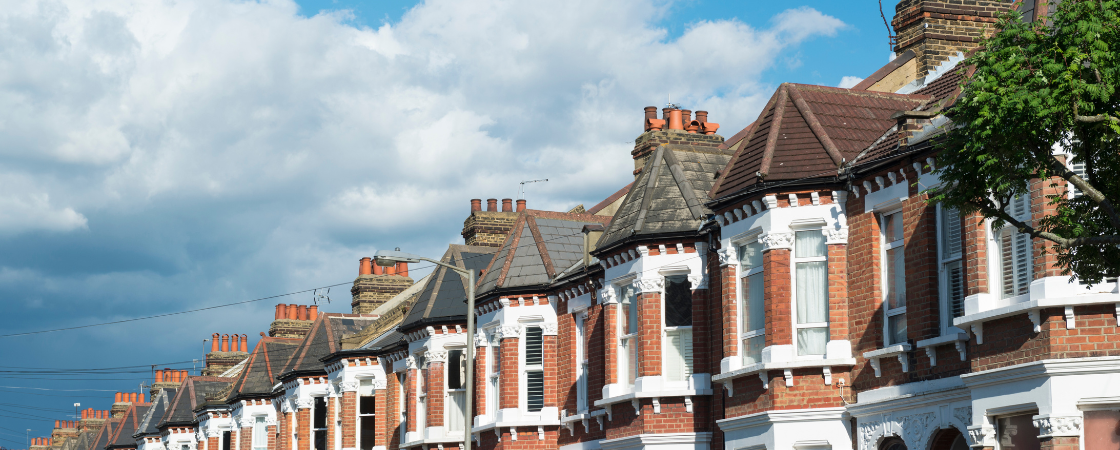
Regional Differences Are Becoming More Important
One of the biggest trends shaping the UK housing market is the growing divide between regions.
Northern England Continues to Perform Well
Many northern cities continue attracting buyers due to stronger affordability and growing local economies.
Manchester, Leeds, Liverpool, and Newcastle remain popular with:
- First-time buyers
- Young professionals
- Property investors
Rightmove predicts that northern England, Scotland, and Wales could outperform southern regions due to better affordability and healthier supply-demand balance.
The North West has already shown some of the strongest regional growth in recent years, supported by regeneration projects and strong rental demand.
London and the South East Face Slower Growth
London remains one of the UK’s most expensive housing markets, but price growth has slowed significantly compared to previous decades.
Affordability pressures and higher mortgage costs have encouraged many buyers to look outside the capital for better value and larger homes.
Several reports suggest that London house prices may continue lagging behind other regions over the next few years.
However, demand in London remains supported by:
- International investment
- Strong employment opportunities
- Limited housing supply
Prime central London may also continue attracting overseas buyers despite broader market caution.
Midlands Markets Remain Resilient
The Midlands continues benefiting from:
- Strong transport connections
- Regeneration investment
- More affordable property prices
Cities such as Birmingham and Nottingham remain attractive to buyers priced out of southern England.
As affordability continues influencing buyer decisions, many analysts expect Midlands markets to remain relatively stable over the coming years.
Mortgage Rates Remain a Key Factor
Mortgage affordability remains one of the biggest influences on the housing market in 2026.
Higher mortgage rates have significantly increased borrowing costs for many buyers. According to recent UK Finance data, mortgage affordability has reached its most challenging level since 2008 in some areas of the country.
At the same time, some experts believe affordability could improve gradually if:
- Interest rates begin easing
- Wage growth continues
- Inflation stabilises
Nationwide believes improving affordability could help support housing market activity during the remainder of 2026.
Even so, affordability challenges are likely to continue affecting first-time buyers in particular.
Housing Supply Shortages Continue Supporting Prices
One of the main reasons analysts are not forecasting a major housing market crash is the UK’s ongoing shortage of homes.
Demand for housing still exceeds supply in many parts of the country, particularly in desirable commuter areas and growing regional cities.
This shortage continues placing upward pressure on prices, even during periods of slower economic growth.
Limited supply is expected to remain a long-term issue for the UK housing market over the coming years.
Energy Efficiency Is Becoming More Important
Energy efficiency is now a major factor influencing buyer decisions.
In 2026, buyers are increasingly prioritising:
Properties with stronger energy performance are often viewed as more desirable and future-proof, particularly as energy costs remain high.
Experts believe sustainable homes could perform better in terms of long-term value growth compared to less energy-efficient properties.
Will UK House Prices Crash?
Despite economic uncertainty, most experts are not currently predicting a major nationwide house price crash.
Instead, the market is expected to experience:
- Slower growth
- Regional variation
- More balanced buyer conditions
Several factors continue supporting the market:
- Strong housing demand
- Limited supply
- Stricter mortgage lending rules
- Relatively stable employment levels
While some localised price corrections are possible, the overall outlook remains one of modest and sustainable growth rather than severe decline.
What Does This Mean for Buyers?
For buyers, the market is becoming slightly less competitive than during the pandemic housing boom.
This means buyers may now have:
- More choice
- Greater negotiating power
- Less pressure to rush decisions
However, affordability remains a challenge due to higher borrowing costs.
Many buyers are now prioritising:
- Long-term value
- Energy efficiency
- Flexible living space
- Regional affordability
Emerging regional markets may continue offering stronger value compared to more expensive southern areas.
What Does This Mean for Sellers?
For sellers, realistic pricing is increasingly important.
Overpriced properties may sit on the market longer, especially in areas where affordability pressures are strongest.
Homes that are:
- Well-presented
- Energy efficient
- Competitively priced
- In desirable locations
Are still attracting strong interest in many parts of the UK.
Sellers should also expect buyers to be more cautious and selective compared to previous years.
Final Thoughts
The outlook for UK house prices over the coming years appears relatively stable, although growth is expected to vary significantly depending on region and affordability.
Most experts forecast modest house price increases during 2026 rather than dramatic market movements. Northern regions and more affordable areas may continue outperforming London and the South East as buyers focus increasingly on value and lifestyle.
While economic uncertainty remains, strong housing demand and limited supply are expected to continue supporting the market long term.
For buyers and sellers alike, understanding local market conditions and planning carefully will remain essential over the coming years.
Need to Sell Your House Quickly?
If you are looking to sell your property quickly without the uncertainty of the open market, We Buy Any House can help.
We offer:
- Free cash offers
- No hidden fees
- Fast completions
- Flexible timelines
- Property sales completed in as little as 7 days
Whether you are relocating, downsizing, or simply looking for a faster and more straightforward sale, our team is here to help.
Get in touch with We Buy Any House today for your free cash offer.