Can You Legally Buy Your Parents’ House for £1?
Buying your parents’ house for £1 is legally possible, but there are important tax, legal, and financial implications to understand. Discover everything you need to know in this 2026 guide.
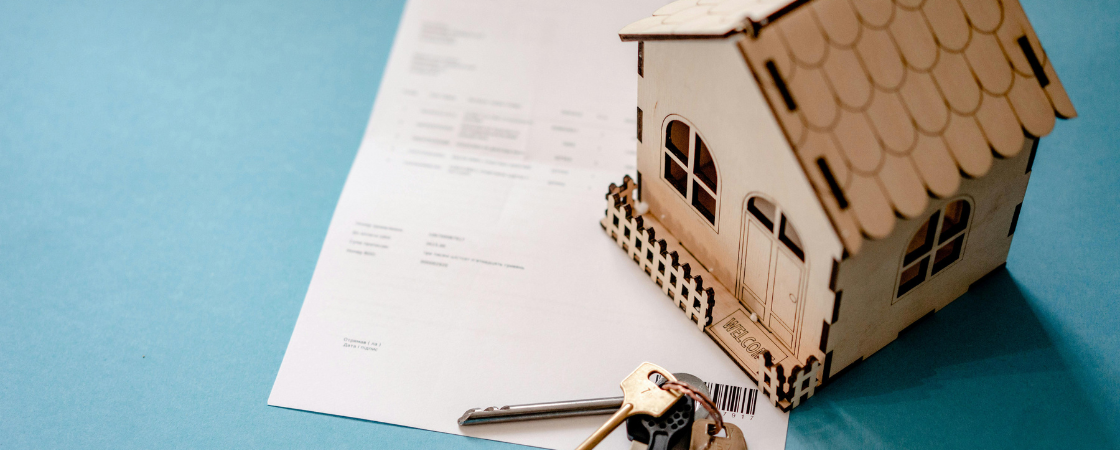
Yes, it is legally possible to buy your parents’ house for £1 if they are willing to sell it to you at that price.
When selling a property in the UK, homeowners can generally choose the amount they wish to accept for their home, even if it is significantly below market value.
This is commonly referred to as a “gifted sale” or a “concessionary purchase.”
However, just because the property is sold cheaply does not mean there are no costs involved. In many cases, taxes and legal fees are still based on the property’s market value rather than the sale price itself.
Because of this, it is important to seek professional legal and financial advice before making any decisions.
Why Do Parents Sell Houses Below Market Value?
There are several reasons why parents may choose to sell their property to their children at a reduced price.
In 2026, many families are helping younger generations overcome affordability challenges caused by:
- High property prices
- Larger deposit requirements
- Increased mortgage rates
- Rising living costs
Parents may choose to transfer property to:
- Help children get onto the property ladder
- Reduce inheritance complications
- Keep a family home within the family
- Support children financially
- Simplify estate planning
While the intention is often positive, there can still be important tax and financial consequences involved.
Capital Gains Tax Considerations
If your parents are selling a second property or buy-to-let property to you for less than market value, they may still need to pay Capital Gains Tax (CGT).
Importantly, HMRC usually calculates Capital Gains Tax based on the property’s market value rather than the discounted sale price.
How Capital Gains Tax Works
Capital Gains Tax may apply if:
- The property is not your parents’ main residence
- The property has increased significantly in value
- The gain exceeds the annual tax-free allowance
In 2026, CGT rates for residential property remain significant, and the amount owed depends on:
- The property’s increase in value
- Your parents’ taxable income
- Applicable tax allowances
Because tax rules can change, it is essential to speak to a qualified accountant or tax adviser before transferring property ownership.
What Happens With Inheritance Tax?
Many parents consider selling or gifting their home to children as part of inheritance planning.
Inheritance Tax (IHT) can apply when someone passes away and leaves behind an estate above the current tax-free thresholds.
Inheritance Tax Rules in 2026
At the time of writing:
- Most estates have a tax-free allowance of £325,000
- An additional residence nil-rate band may apply when passing property to direct descendants
- Inheritance Tax is usually charged at 40% on the value above the threshold
However, transferring a property before death does not automatically avoid Inheritance Tax.
If your parents continue living in the property after selling or gifting it to you without paying market rent, HMRC may still consider the home part of their estate under “gift with reservation of benefit” rules.
This is why professional estate planning advice is extremely important before proceeding.
Will You Still Pay Stamp Duty?
Even if you buy your parents’ house for £1, Stamp Duty Land Tax (SDLT) could still apply in certain situations.
The amount owed depends on factors such as:
- Whether there is an existing mortgage
- If you are taking on mortgage debt
- Whether you already own another property
- The market value of the property
First-time buyer relief rules may also affect the amount payable.
Stamp duty rules continue to evolve, so it is important to check the latest government guidance or speak with a conveyancing solicitor before completing the purchase.
What Other Costs Are Involved?
Although the property itself may cost very little, there are still several additional costs involved in buying a house from your parents.
Legal and Conveyancing Fees
You will still need a solicitor or licensed conveyancer to handle the legal transfer of ownership.
This process includes:
- Contracts
- Property checks
- Land Registry updates
- Mortgage paperwork
- Legal compliance checks
Conveyancing fees in 2026 typically range from several hundred to over a thousand pounds depending on the complexity of the transaction.
Property Surveys
Even if you already know the property well, it is still recommended to arrange a professional survey before completing the purchase.
A survey can identify issues such as:
- Damp
- Structural movement
- Roof problems
- Subsidence
- Japanese knotweed
- Electrical or plumbing concerns
Unexpected repair costs after moving in can quickly become expensive, so surveys remain an important part of the buying process.
Moving and Furnishing Costs
If you are moving into the property yourself, there may also be costs associated with:
- Removal companies
- Van hire
- Storage
- Furniture
- Appliances
- Decorating and repairs
First-time buyers often underestimate how quickly these costs can add up after purchasing a home.
Planning a realistic budget in advance can help reduce financial pressure later.
Does the Property Need to Be Mortgage-Free?
If your parents still have a mortgage or secured debt against the property, this can complicate the sale significantly.
Normally, homeowners use proceeds from the sale of a property to repay their mortgage balance. However, if the property is sold for a very small amount, there may not be enough money available to clear the outstanding debt.
In most cases, your parents would need to:
- Pay off the mortgage in full before the transfer
- Use savings to clear any secured loans
- Obtain lender approval if transferring ownership
Without this, the sale may not be possible.